Plant procurement for hotel and residential landscape projects
Turn hotel and residential landscape needs into a phased plant schedule. Coordinate entrance planting, shade, screening, delivery and maintenance.
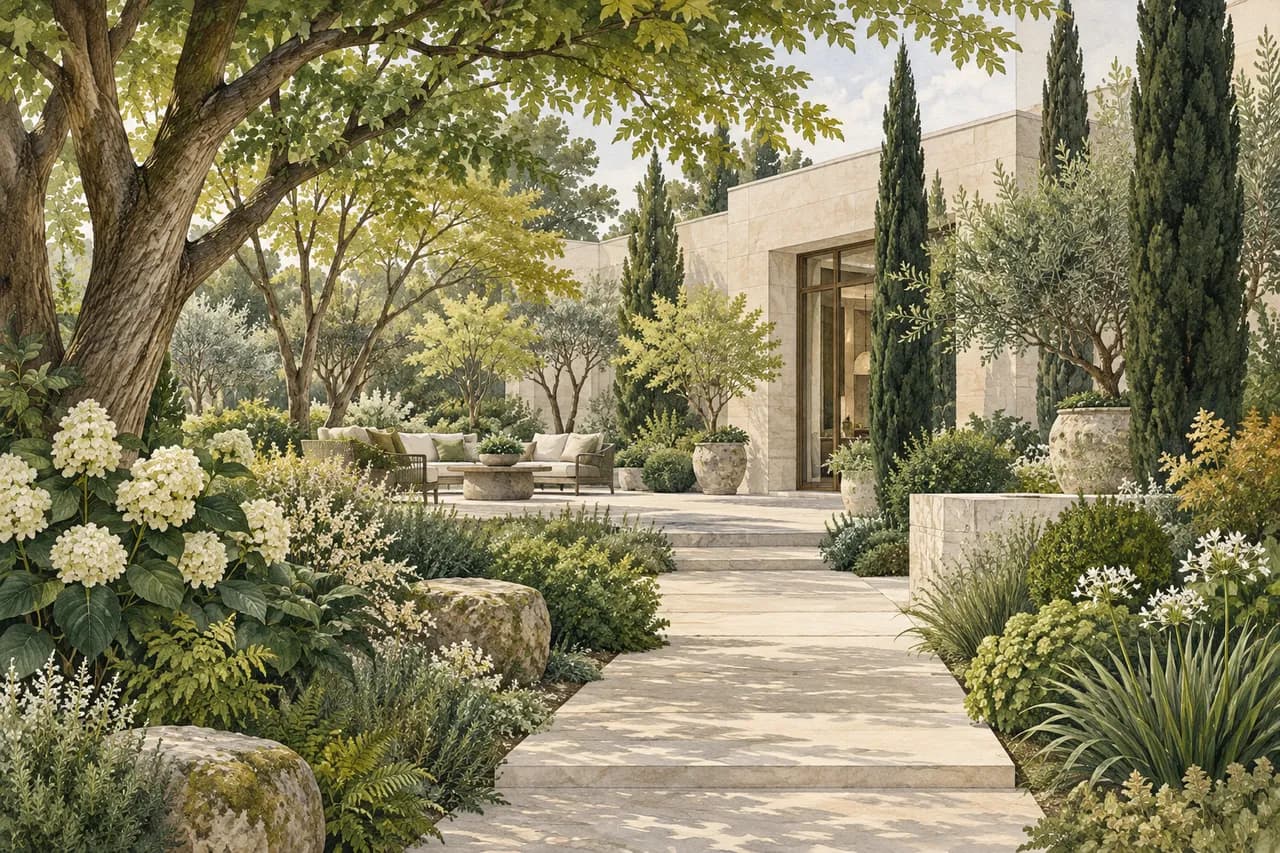
Landscape procurement for hotels and residential developments must bring design expectations and operating needs into the same schedule. Opening-day appearance, later maintenance and construction phases all matter. A useful sourcing plan states not only how many trees are required, but where they will be used, which specifications matter and who will receive them.
Group areas by their function
Consider entrances, vehicle approaches, footpaths, seating areas, private gardens and service boundaries separately. Describe the appearance, shade, privacy and access needs of each. A location code in the plant schedule helps the designer, supplier and site team refer to the same area.
A service boundary may have a different purchasing priority from an entrance feature tree. Keep that distinction visible when discussing the budget. Assess proposed alternatives against the purpose of the particular area rather than treating every line as interchangeable.
Translate opening-day expectations into specifications
A request for a landscape that “looks complete” is not a measurable plant specification on its own. Agree the expected crown form, delivery height and initial screening effect with the design team. Identify areas where the planting can be allowed to develop over time.
Deciduous trees may be considered for shade and seasonal appearance, while suitable conifers may contribute structure or screening. These broad categories are not a species recommendation; site and climate suitability still need assessment.
Match phased deliveries to installation
- Give each plant line an area and phase code.
- Discuss holding or later delivery for areas that are not ready.
- State batch consistency requirements along important sightlines.
- Coordinate vehicle access and unloading with the opening programme.
- Identify who can approve late substitutions.
If the entrance and rear garden become ready in different weeks, the delivery list may need to be divided. That affects plant preparation, transport and care arrangements, so raise the possibility in the first quotation discussion rather than after the batch is prepared.
Bring the operations team into purchasing
Irrigation access, pruning arrangements, seasonal clearance and staff experience all matter after handover. Ask the operations team to review the plant schedule while it is being developed. A mismatch between the planting proposal and available maintenance resources is easier to discuss before procurement is complete.
Include the area plan, species and size list, target dates and maintenance arrangements in the enquiry. For an overseas development, destination details and the buyer's import preparations also belong in the brief. Sending Kale Botanik this information provides a starting point for discussing the products and shipment requirements of the actual project.
Frequently asked questions
What if the plant schedule changes close to opening?
Reconfirm species, dimensions, batches and delivery plans together. Record the changes in one approved schedule.
Does a plant quotation include maintenance?
Do not assume it does. Clarify plants, transport, installation and aftercare as separate parts of the offer.